











Best Gaming Chairs for Office Work: 2026 Buyer’s Guide

Office work today is no longer tied to a single place. Some people still spend the majority of their time in traditional offices, while others work entirely from home or move between both environments throughout the week. What hasn’t really changed is the amount of time spent sitting. And over time, sitting has a way of becoming noticeable. Not immediately, but gradually. You start adjusting your position more often. Your lower back feels slightly more tired than it used to. You shift without thinking about it. At some point, the chair becomes hard to ignore. That is usually when people begin reconsidering what they are sitting on.
Gaming chairs have entered this discussion in a way they didn’t a few years ago. Not as a gaming accessory anymore, but as a practical seating option for work. The question has shifted from whether they “look right” to whether they actually perform well during long hours of office use.
Quick Overview (By Work Situation)
Different work setups usually require different priorities:
- Overall best: A gaming chair with adjustable lumbar support and stable long-term structure
- For long sitting hours (8+): Firmer seat combined with precise armrest adjustment
- For office environments: More neutral design with ergonomic support
- For budget setups: Basic but reliable support with solid build quality
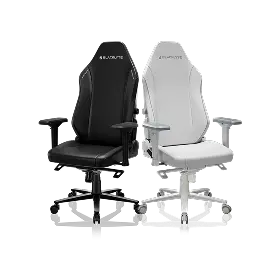
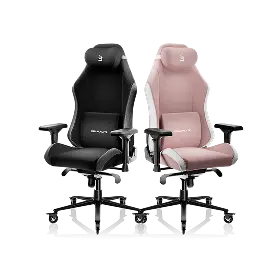
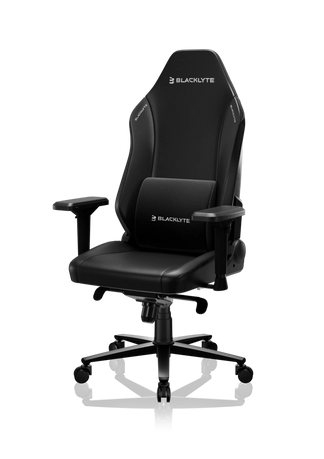
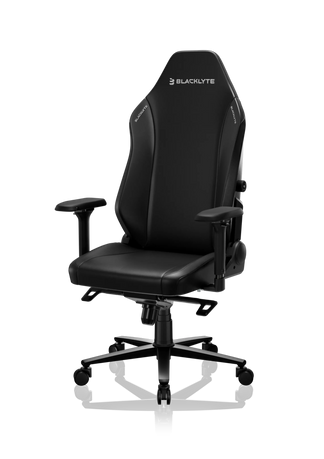
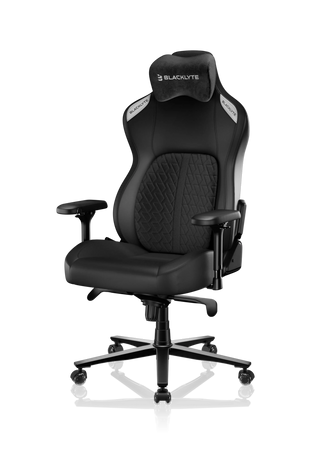
One thing worth noting here—initial comfort is rarely the issue. The real difference shows after several hours of continuous use. Some ergonomic gaming chairs, such as modern designs from brands like Blacklyte, focus on balancing long-hour support with adjustability across different work setups.
Why Gaming Chairs Are Increasingly Used for Office Work
The interest in gaming chairs for office use didn’t come from marketing. It came from changing work patterns. Longer sitting hours, hybrid work schedules, and remote setups have all increased the demand for chairs that can handle extended use without breaking down in comfort or support.
Well-designed ergonomic gaming chairs tend to offer:
- More adjustable components across the entire structure
- Stronger and more consistent back support
- Better stability during long, uninterrupted sitting sessions
Of course, not every gaming chair fits this description. Some are still designed primarily around appearance. The differences between models can be significant.
Best Gaming Chairs for Office Work Based on Work Environment
The same chair can feel very different depending on where it is used.
Corporate Office Settings
In a traditional office, the priorities are slightly different. Space is usually shared. Visual design matters more than at home. And adjustments are not something people constantly fine-tune throughout the day. In this kind of environment, a chair that balances ergonomics with a more understated appearance tends to work better.
Home Office Setup
Home environments naturally allow more flexibility. People tend to sit longer, adjust more frequently, and become more aware of discomfort over time. In this case, consistent support becomes more important than appearance alone. Chairs with better adjustability and lumbar design usually perform better over long hours.
Hybrid Work Patterns
Hybrid setups sit somewhere in between. Nothing is fully fixed. One day in the office, another at home. Sometimes even within the same week. This is where overly specialized designs often fall short. What tends to work better are balanced chairs—those that are comfortable without being overly rigid, and adjustable without being complicated.
Gaming Chair vs Office Chair: Which Is Better for Long Hours
This comparison is often oversimplified.
Office chairs are typically designed around:
1. Breathability
2. Neutral appearance
3. Shorter or interrupted sitting patterns
Gaming chairs tend to focus more on:
1. Structured posture support
2. Wider adjustment range
3. Stability during longer sessions
Neither category is universally better. The difference becomes more noticeable only after extended use, particularly in full-day sitting scenarios.
If you're still deciding between the two, it may help to look at a more detailed breakdown of how they actually differ in real use cases. We cover this in more depth here: Gaming Chair vs Office Chair—Which One Fits You Better?
Key Features of a Gaming Chair for Office Work
Instead of focusing on brand or category, the real differences come from a few key elements.
Lumbar Support for Long Sitting Hours
Lower back support plays a central role in long-term comfort. Fixed cushions can help, but built-in or adjustable systems tend to maintain better consistency over time.
Seat Cushion Comfort and Durability
This is often underestimated. A very soft seat may feel comfortable at first, but it usually compresses during longer use. Once that happens, support gradually decreases. A firmer structure tends to feel more stable across the full workday.
Adjustable Armrests for Desk Work
Small misalignment here creates slow strain over time. When armrests don’t match desk height, shoulders compensate. That tension builds gradually and often goes unnoticed until later in the day. Adjustable armrests help reduce that issue.
Tilt and Recline Function for Office Use
A static sitting position is rarely ideal for long hours. A chair that allows subtle shifts in posture helps reduce pressure and makes long sessions more manageable.
Build Quality and Long-Term Durability
Frame stability, base strength, and overall build matter more than most people expect at the beginning. These elements determine how consistent the chair feels over months, not just days.

How to Choose a Gaming Chair Based on Daily Work Hours
Different work habits require different priorities.
Best Chairs for 8+ Hour Workdays
Support and durability become the main focus. Softer or simpler designs tend to show limitations more quickly here.
Chairs for Moderate Daily Use
If sitting time is inconsistent, basic ergonomic features are often enough.
Chairs for Mixed Work and Gaming Use
A balanced chair tends to work best—comfortable without being overly specialized in one direction.
Proper Sitting Posture for Office Work and Gaming Chairs
Even with a good ergonomic chair, posture still plays a role.
- Feet should rest flat on the floor
- Hips slightly above knee level
- Back supported rather than leaning forward
- Screen positioned close to eye level
These are not strict rules, but they help reduce unnecessary strain over time.
Common Mistakes When Choosing a Gaming Chair for Work
A few patterns appear repeatedly:
- Choosing based on appearance rather than function
- Underestimating how long daily sitting actually lasts
- Ignoring body fit and chair proportions
- These usually lead to discomfort, even with higher-end chairs.
Final Thoughts
The difference between gaming chairs and office chairs is becoming less about category and more about how well they support long-term sitting. What matters most is not how a chair is labeled, but whether it can maintain comfort and support throughout the entire workday. In this shift, ergonomic-focused designs like Blacklyte’s approach reflect where office seating is heading—toward adaptability across office, home, and hybrid work environments.


